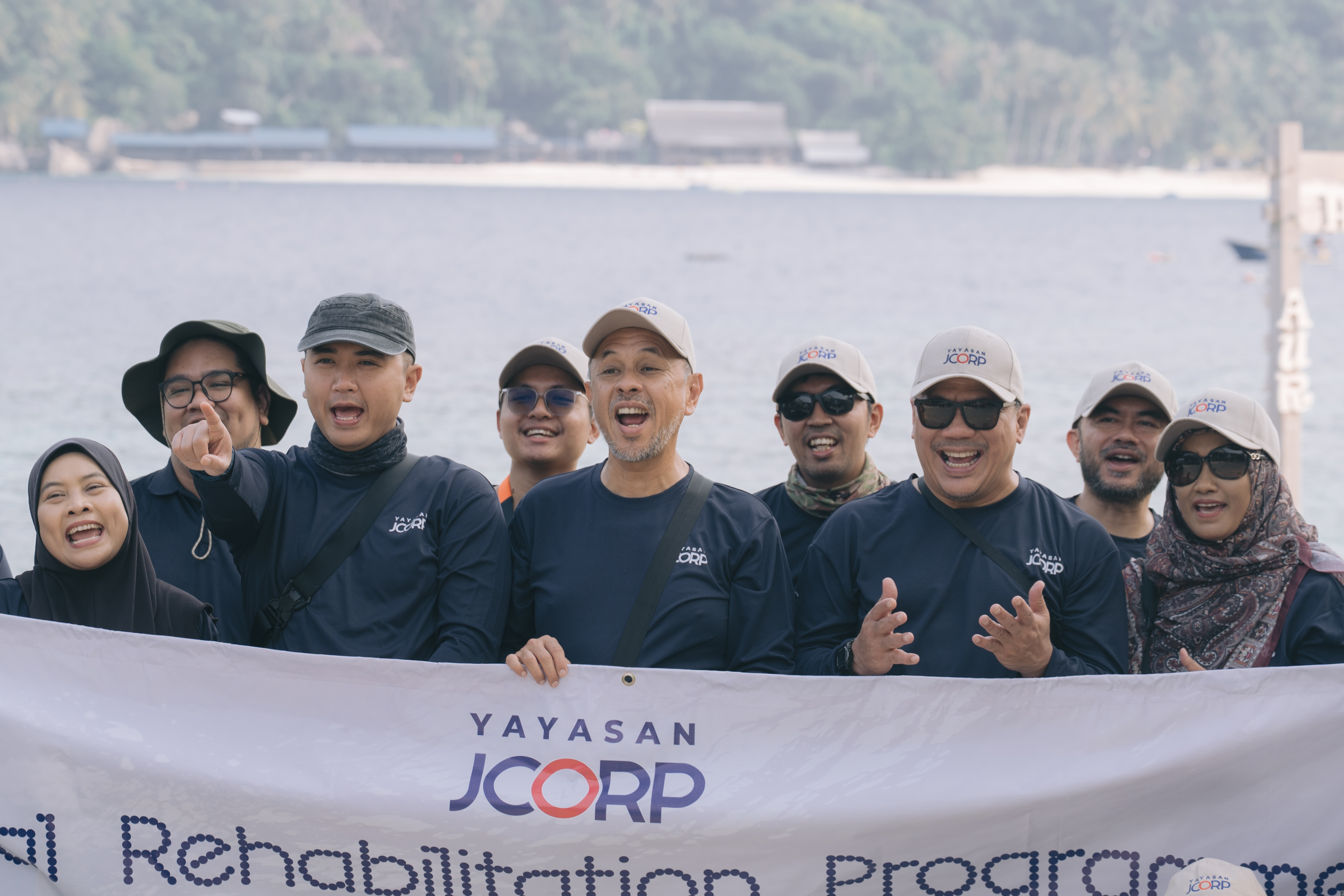
Coral Rehabilitation Programme
Yayasan JCorp is committed to protecting Johor’s marine ecosystems through sustained coral conservation efforts at Pulau Aur, Mersing. Through collaboration with marine conservation experts, corporate volunteers and local communities, the programme aims to support coral growth, strengthen marine biodiversity and promote the long-term health of reef ecosystems.
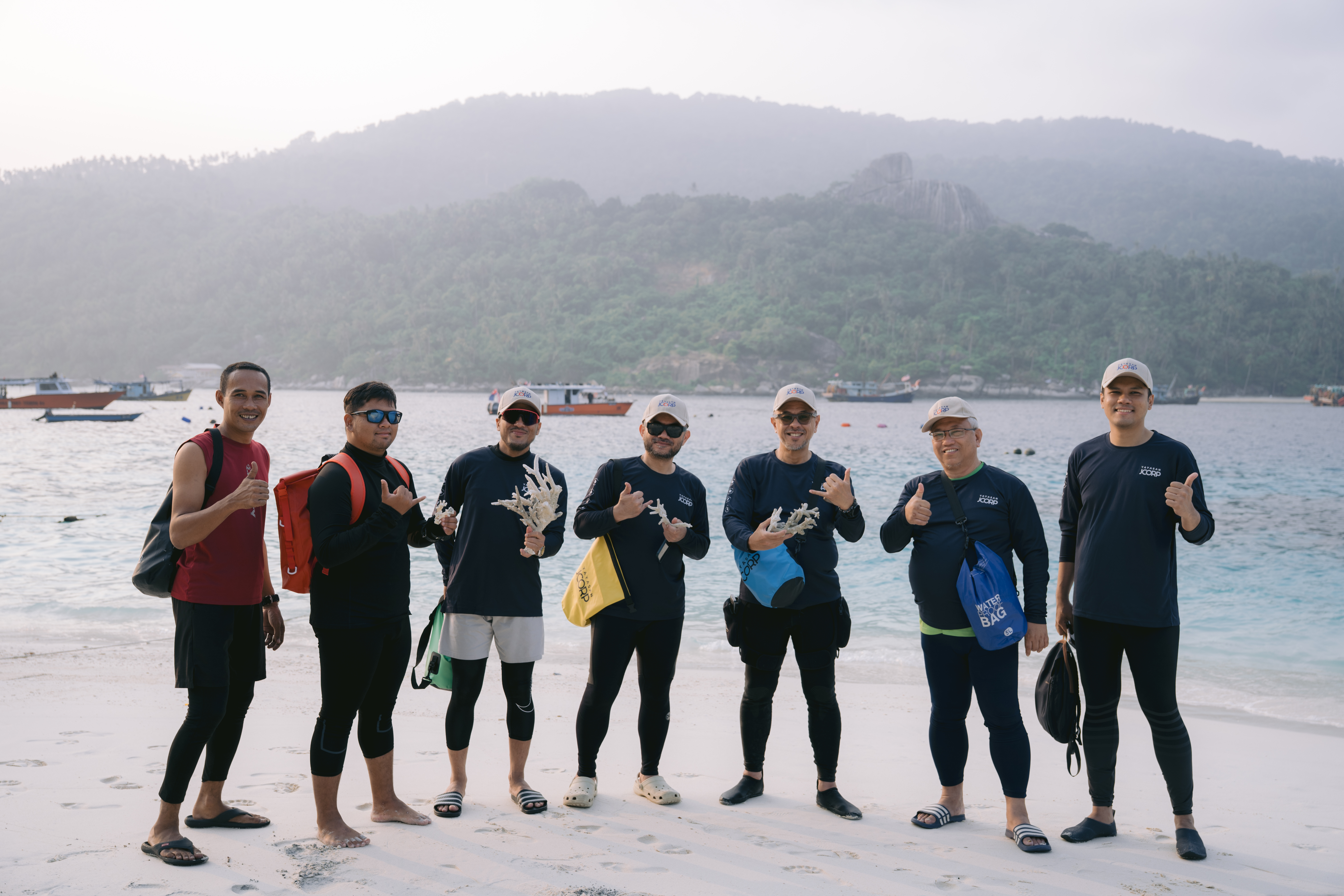
Launched in 2023, the programme began with 50 coral nubbins planted, bringing together employees from across JCorp Group, including Johor Plantations Group Berhad, KPJ Healthcare Berhad, QSR Brands and JLand Group. Beyond coral planting, beach clean-ups and community engagement activities helped foster a shared responsibility for protecting Pulau Aur’s natural environment.
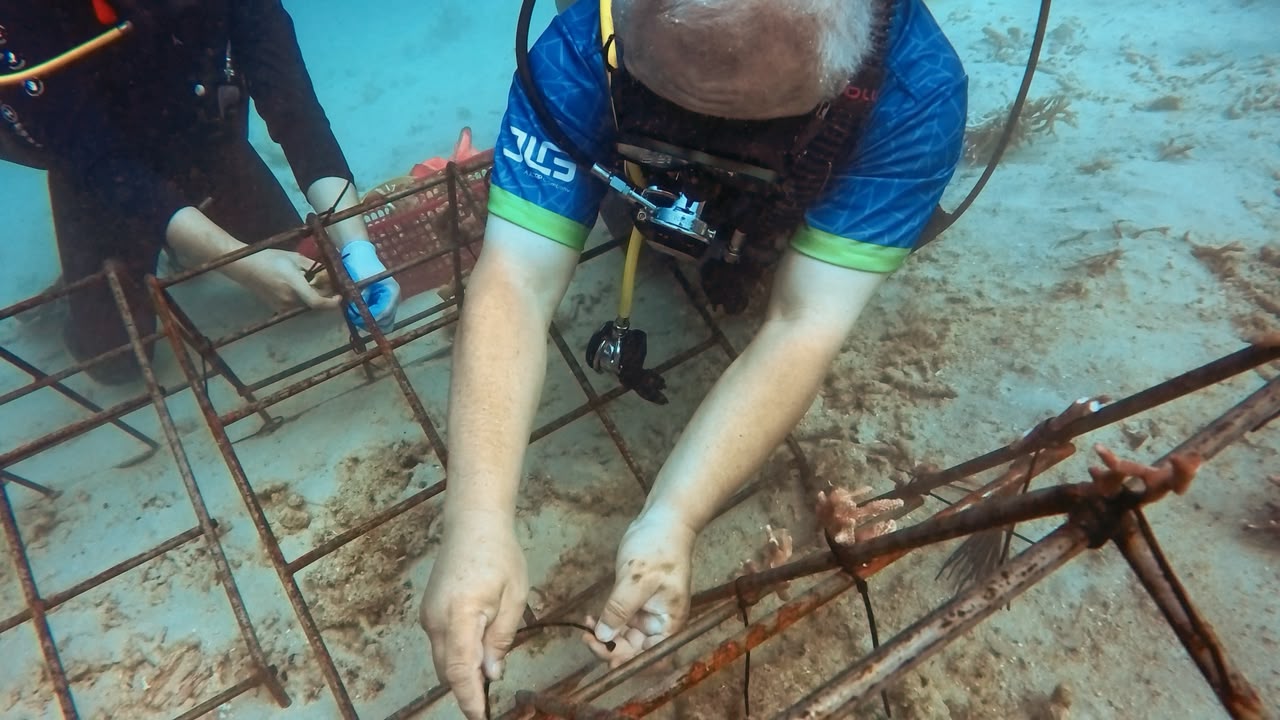
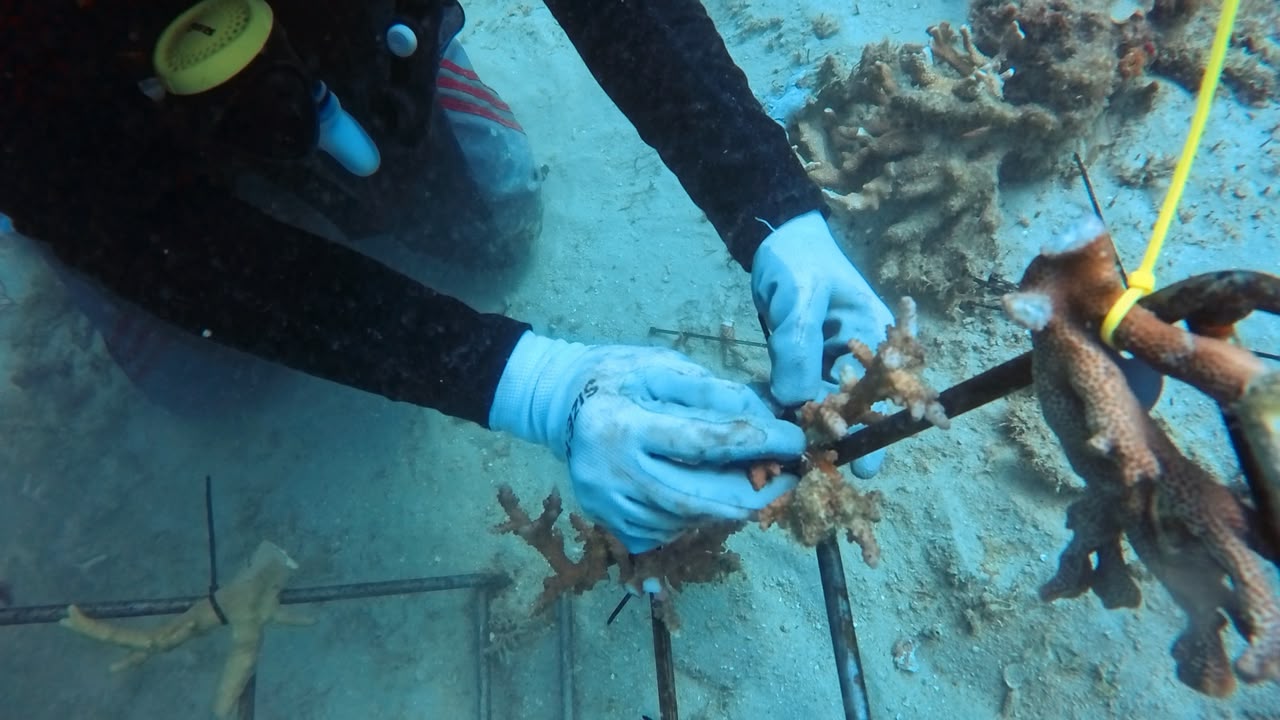
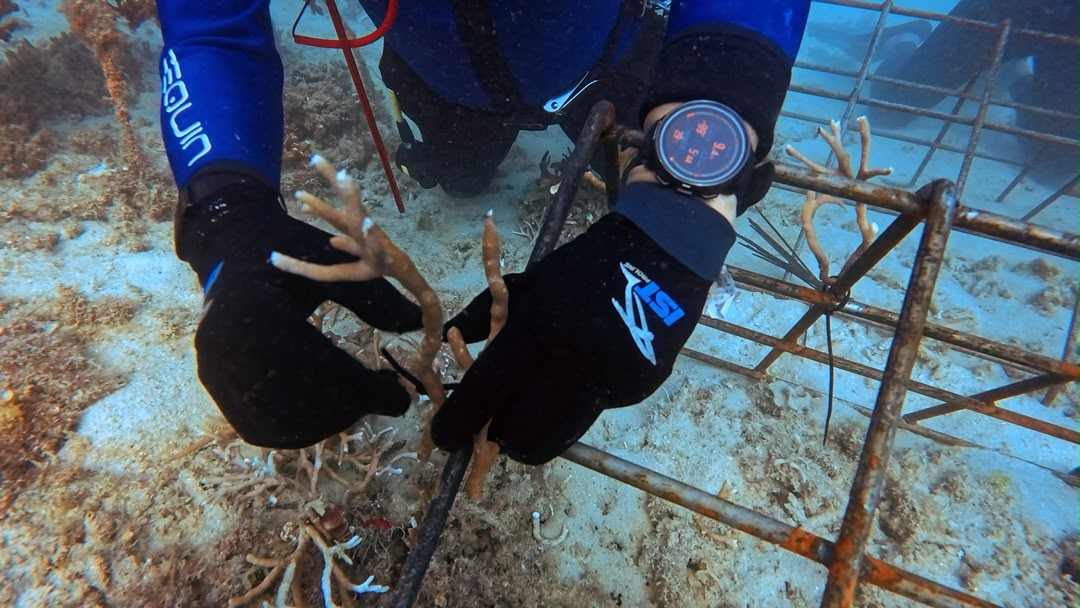
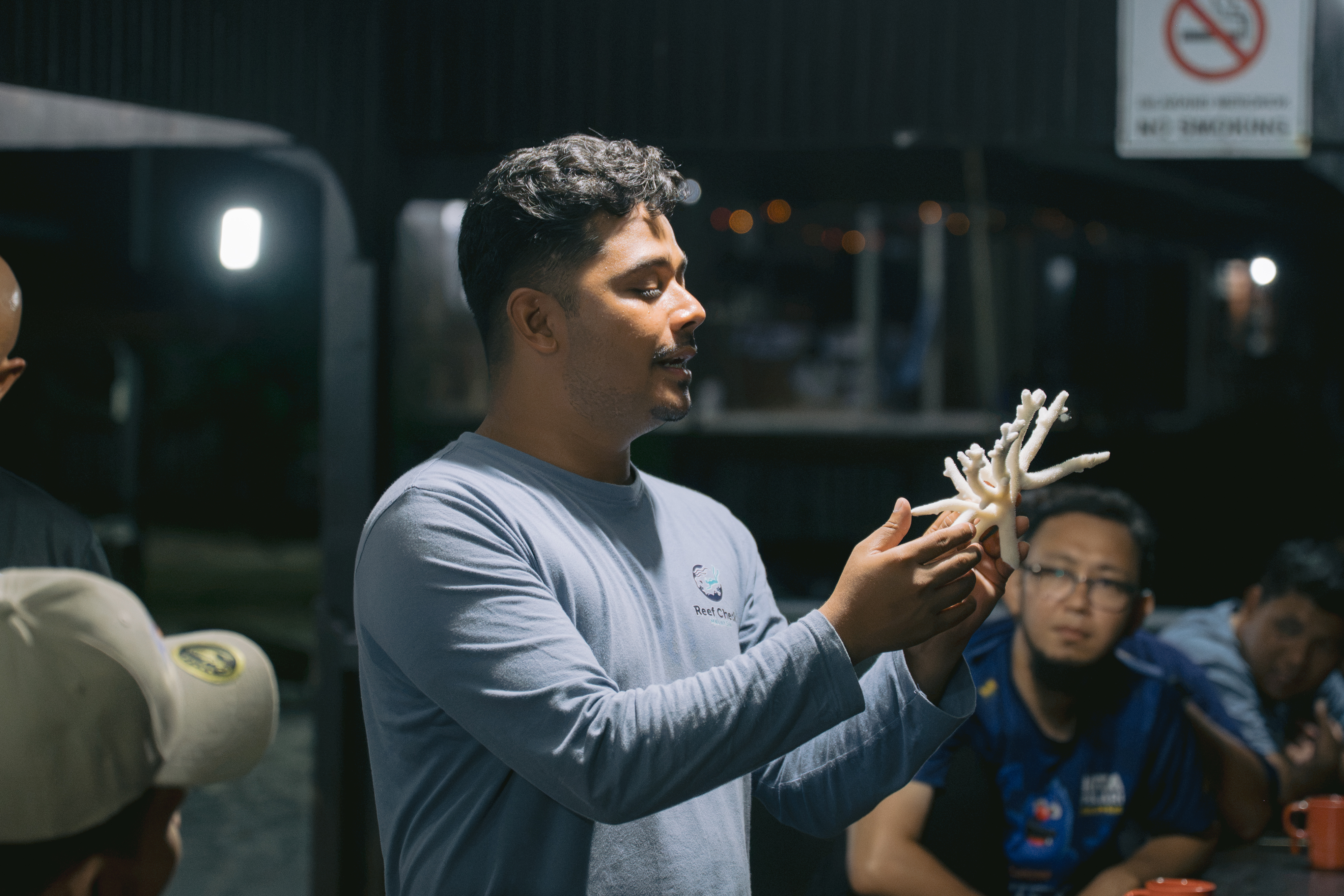
In 2025, the initiative expanded with a further 200 coral nubbins planted in collaboration with Reef Check Malaysia. The programme also introduced innovative approaches, including repurposed glass bottles as coral planting bases to reduce waste and costs. A JCorp sculpture, made from concrete and green cement, was also introduced to provide a surface for coral attachment and support marine habitat development.
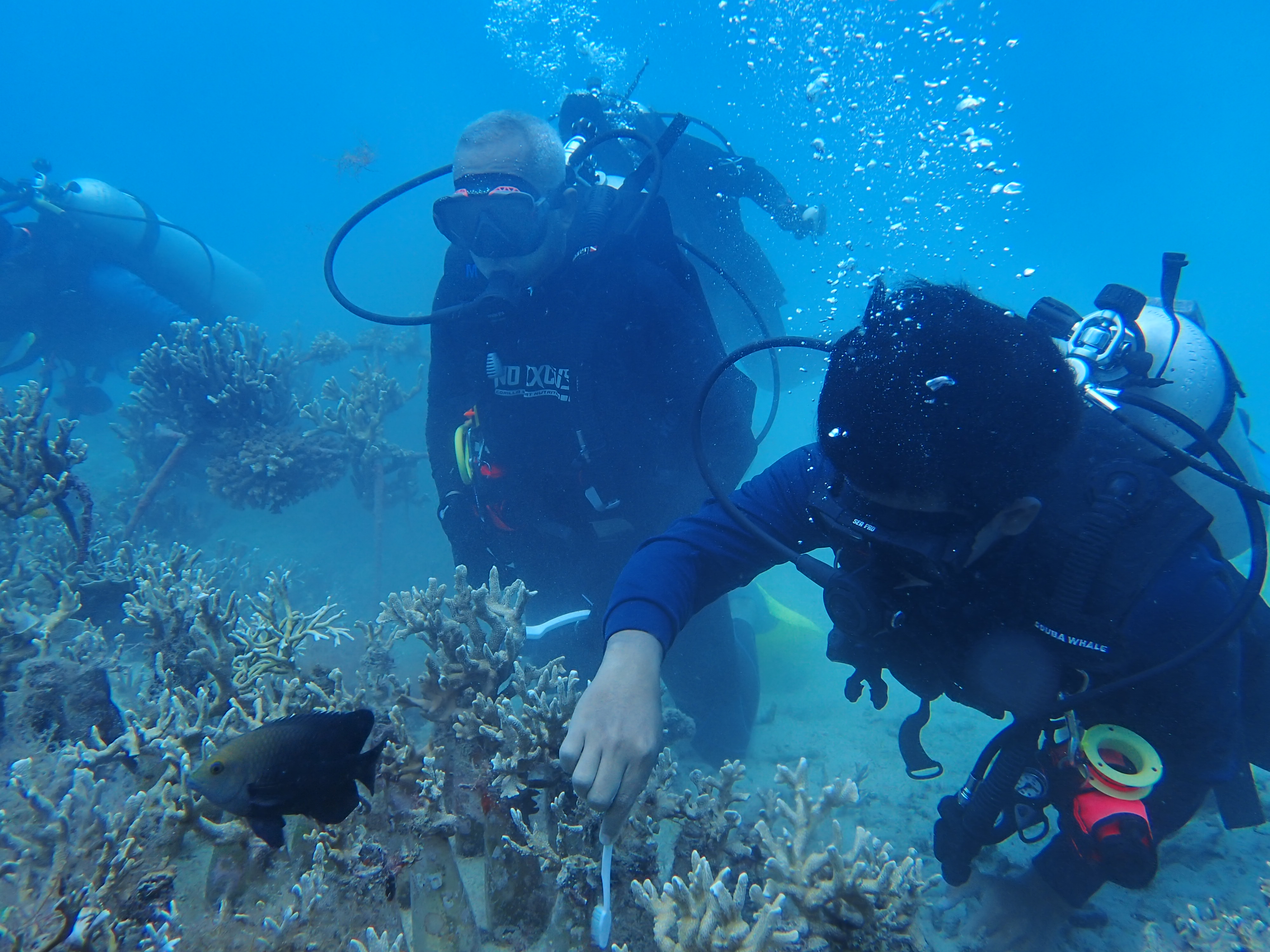
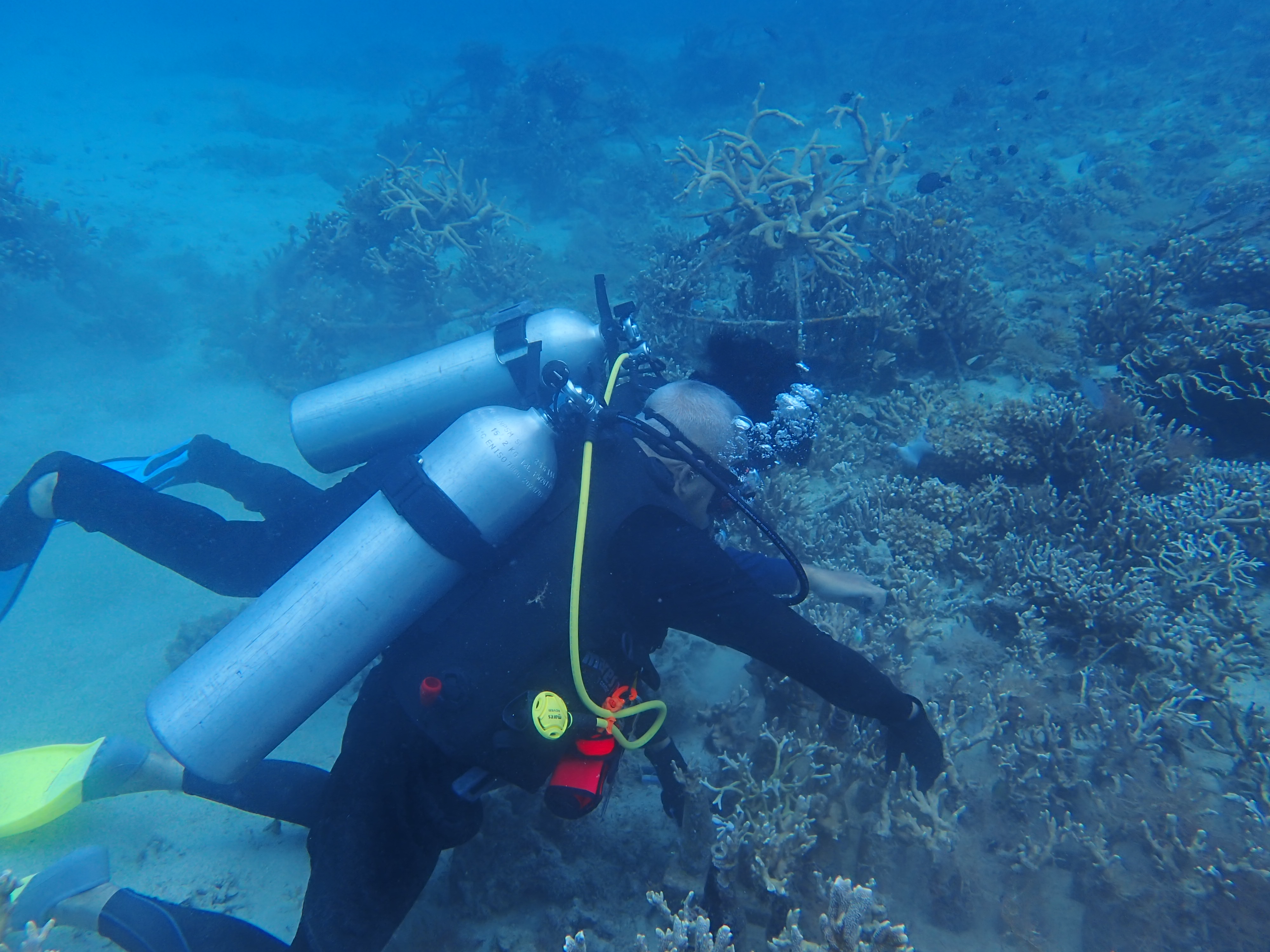
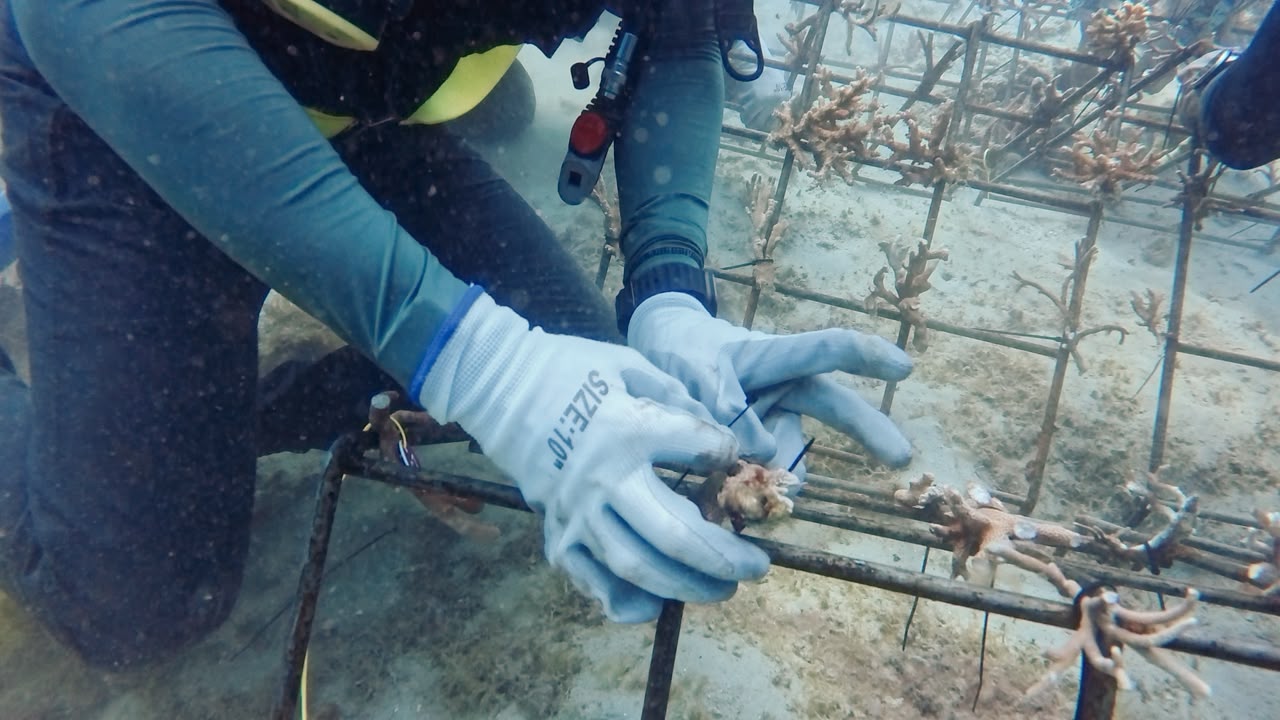
In 2026, the programme reached its largest annual milestone to date. From 4 to 6 September, Yayasan JCorp returned to Pulau Aur for the third consecutive year, working alongside Reef Check Malaysia and Dive Nautics to propagate and plant 300 additional coral nubbins. This brought the cumulative total to 550 coral nubbins planted since 2023, marking continued progress in the programme’s contribution to marine conservation.
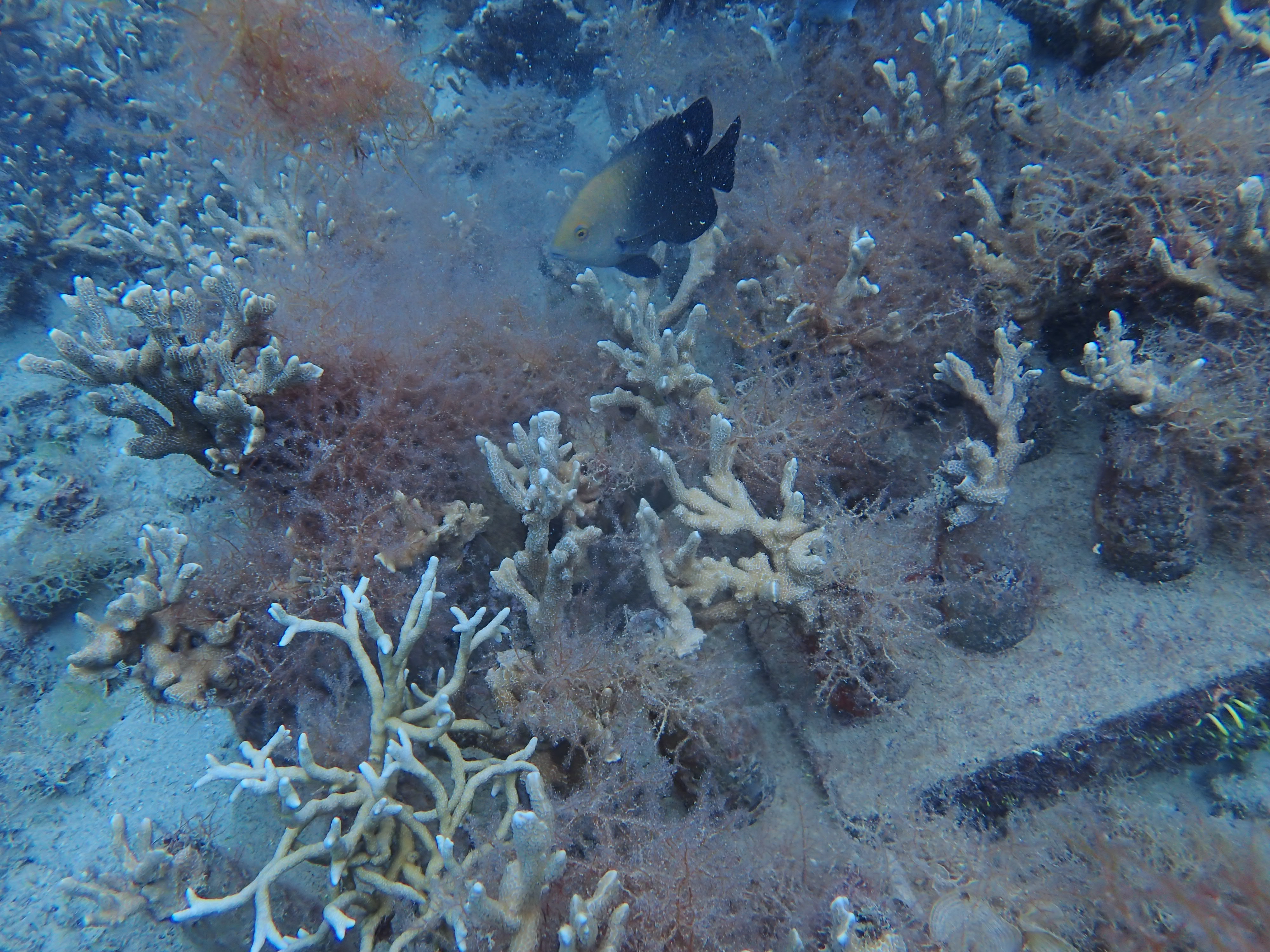
Healthy coral reefs provide vital shelter, feeding grounds and nursery habitats for marine life, including reef fish, crustaceans and other marine organisms. To support the growth and survival of the planted coral nubbins, the sites will be monitored through periodic visits, maintenance and clean-up activities. These efforts help track coral growth and address environmental challenges, including poor water quality, coral bleaching and storm damage.
Through continued collaboration with marine experts, volunteers and local communities, Yayasan JCorp is helping nurture healthier reef ecosystems at Pulau Aur. The programme demonstrates that meaningful conservation requires more than a single intervention; it calls for consistent care, shared responsibility and long-term commitment to safeguarding marine biodiversity for future generations.